

SATURNIA THERMAL WATERS
Thermal waters of Saturnia: unique benefits and properties
The unique power of Terme di Saturnia Hot Spring between history, nature and science
Deep in the Maremma land, where primordial heat meets ancient layers of limestone, lies a natural phenomenon that has spanned geological eras and civilisations, transcending the boundaries between myth and science.
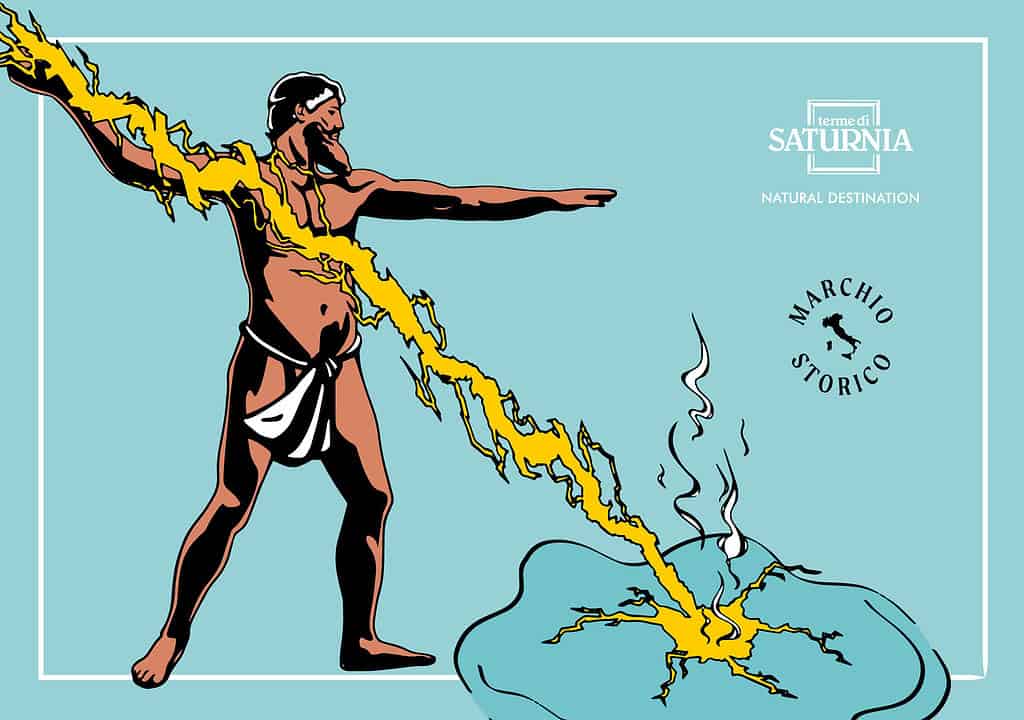
According to legend, Saturn, the god of harvest and abundance who chose this land as his home, lost patience with men who were constantly at war. He hurled a thunderbolt at the earth and suddenly hot sulphurous water gushed from the crater, which flowed through the valleys and plains, calming the spirits of the humans, bringing serenity and harmony. It was the beginning of a golden age devoted to agriculture, hunting and love.
Going beyond the mythological narrative, what literally emerges from the telluric depths embodies a process of extraordinary biochemical and geological complexity that continues to challenge the knowledge of contemporary science.
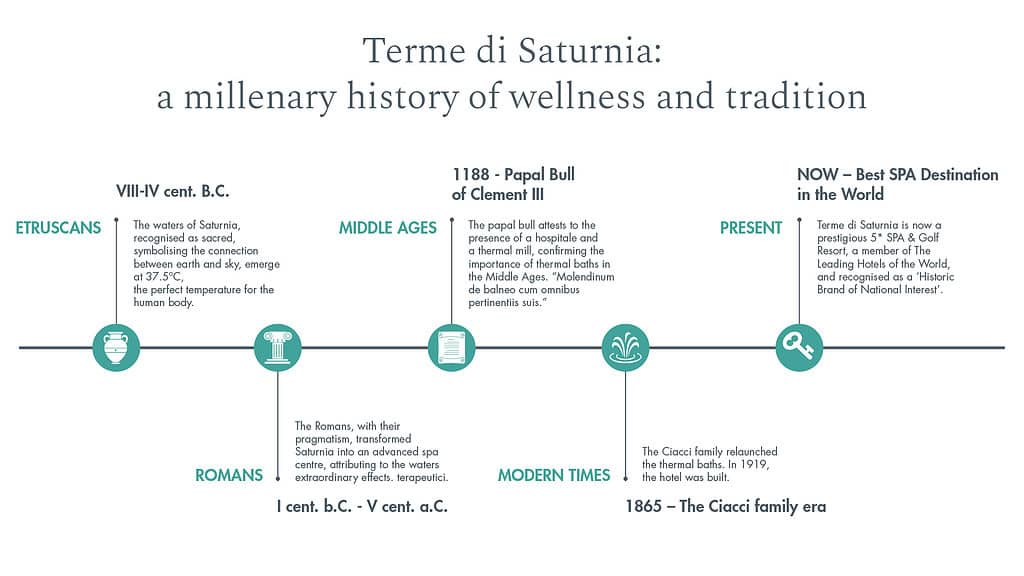
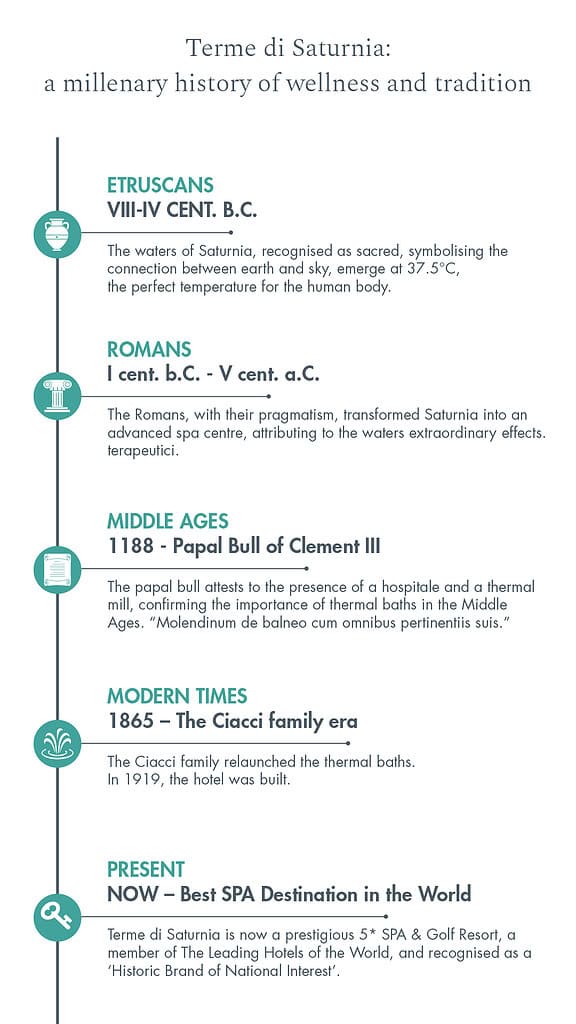
The Etruscans, with their wisdom, recognised in these waters a sacred manifestation, a symbol of the connection between earth and sky, where telluric energies materialised in liquid form, emerging at the perfect temperature of the human body – 37.5°C . The Romans, with their pragmatism, called them Aquae Sanctae, attributing this name to the extraordinary therapeutic effects observed. As Bacci documented in 1588: ‘Saturniae, item coloniae, balneum trans Umbronem fluvium, antiquum est… Extant et balnei antiqua vestigia’ – testimony to the enduring importance of this place.
A key document, a Papal Bull of 1188 by Pope Clement III, preserved in the State Archives of Siena, confirms the existence of a hospitale and a molendinum de balneo cum omnibus pertinentiis suis, highlighting how Saturnia was already a structured “spa complex” in the Middle Ages.
In 1865, the Bagni were acquired by the Ciacci family. In 1919, Gaspero Ciacci built the hotel. The foundation year was later chosen for the name of the 1919 Restaurant, the oldest restaurant in the Maremma – the fine dining pie pieds dans l’eau on the thousand-year-old thermal spring of the resort.
Today, Terme di Saturnia is a prestigious 5* SPA & Golf Resort, member of The Leading Hotels of the World, continuing its tradition as an internationally renowned spa and wellness centre. At the forefront of Made in Italy hospitality, Terme di Saturnia is a member of the association of historic brands, which proudly promotes true Italian values around the world, and is recognised as a ‘Historic Brand of National Interest’ by the Ministry of Economic Development.
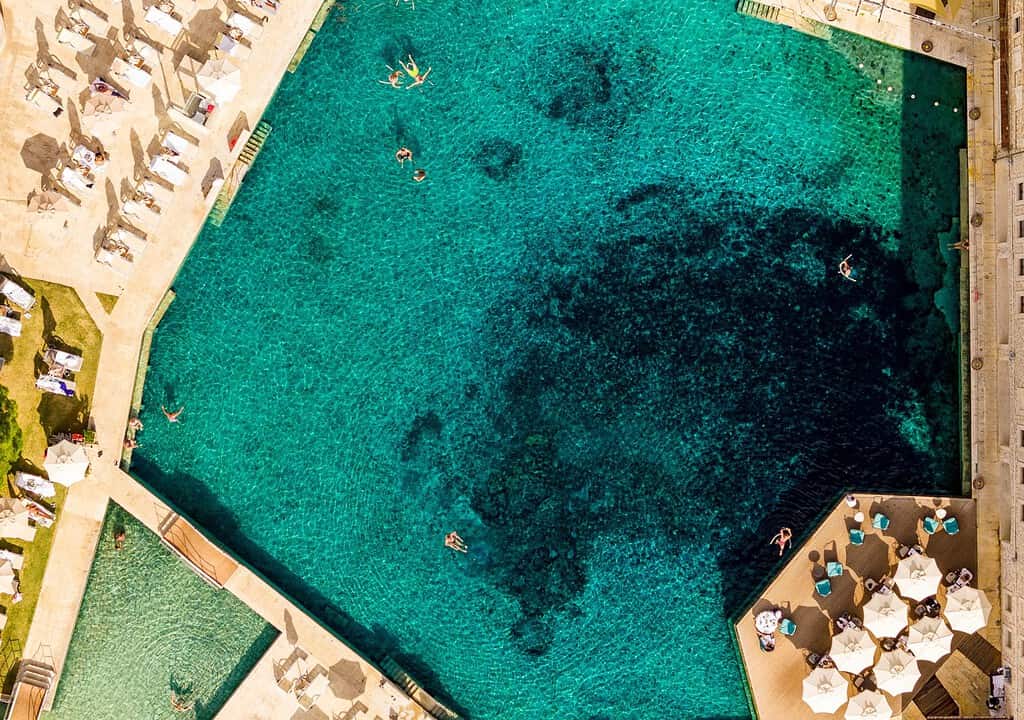
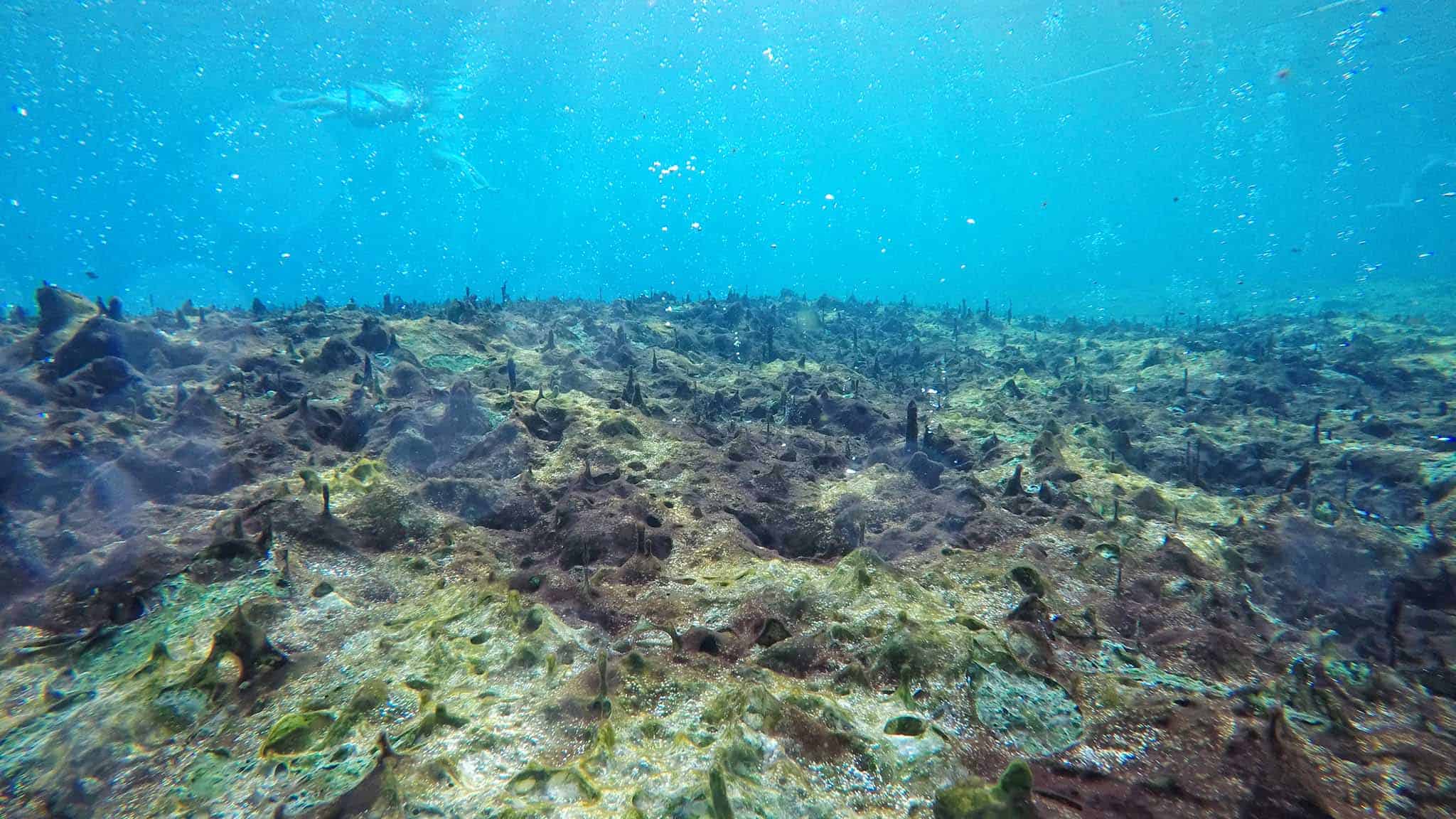
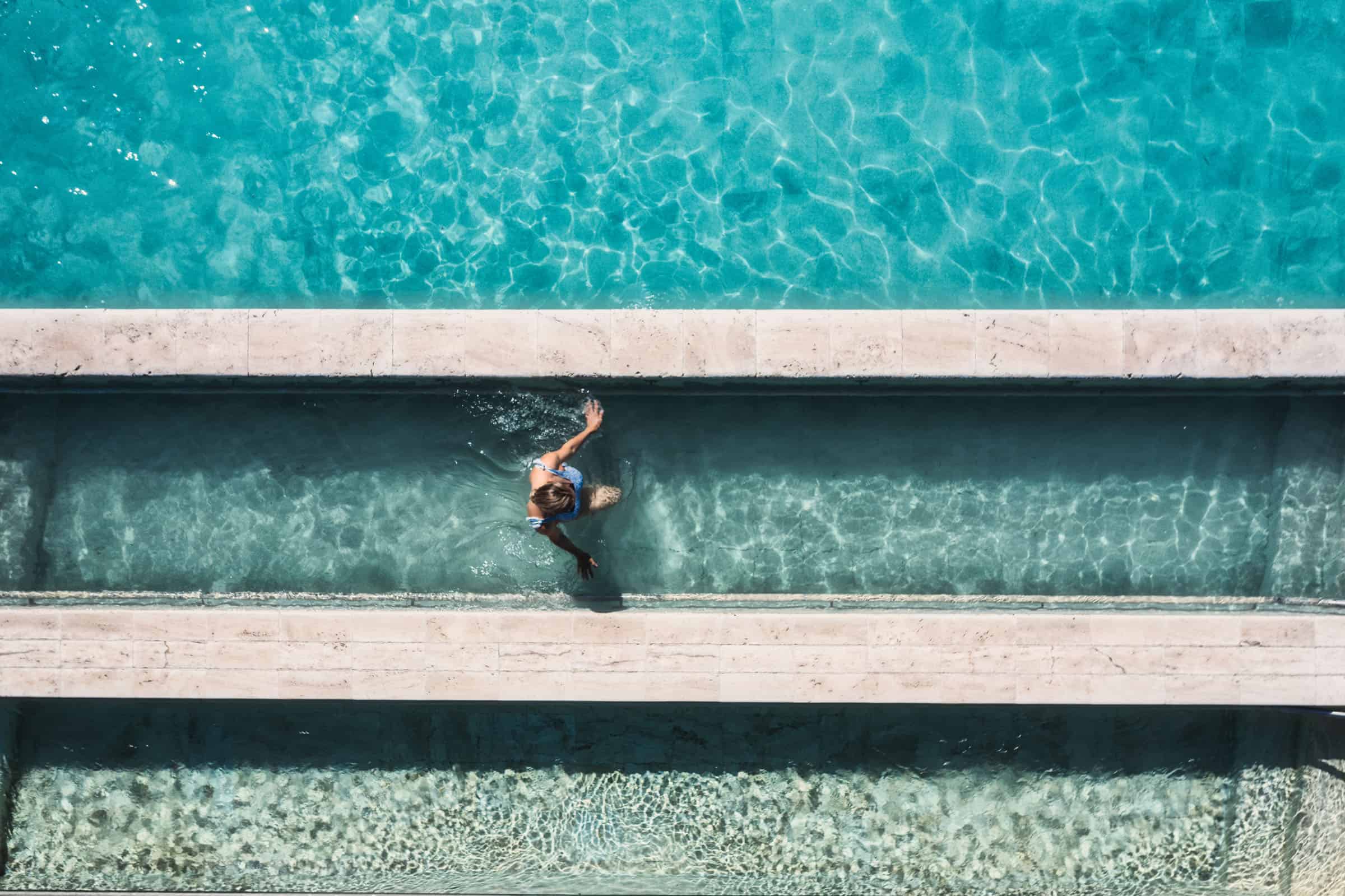
The long journey of this prodigious water begins with the rain falling on the slopes of Monte Amiata. For 40 years, the water flows underground through layers of rock thousands of years old from the Pleistocene and Mesozoic periods, enriching itself with minerals in a way that is unique in the world. The combination of constant geothermal pressure and the special stratification of the rocks creates a mineralisation process that makes this water inimitable. It then re-emerges in the natural spring pool at the centre of the 5* resort. On its way to the surface, it constantly feeds the Thermal Park and crosses the fields of Saturnia until it flows into the iconic “Cascate del Mulino”.
The blue gold of Saturnia: thermal water with unique properties, a perfect balance of minerals and warmth.
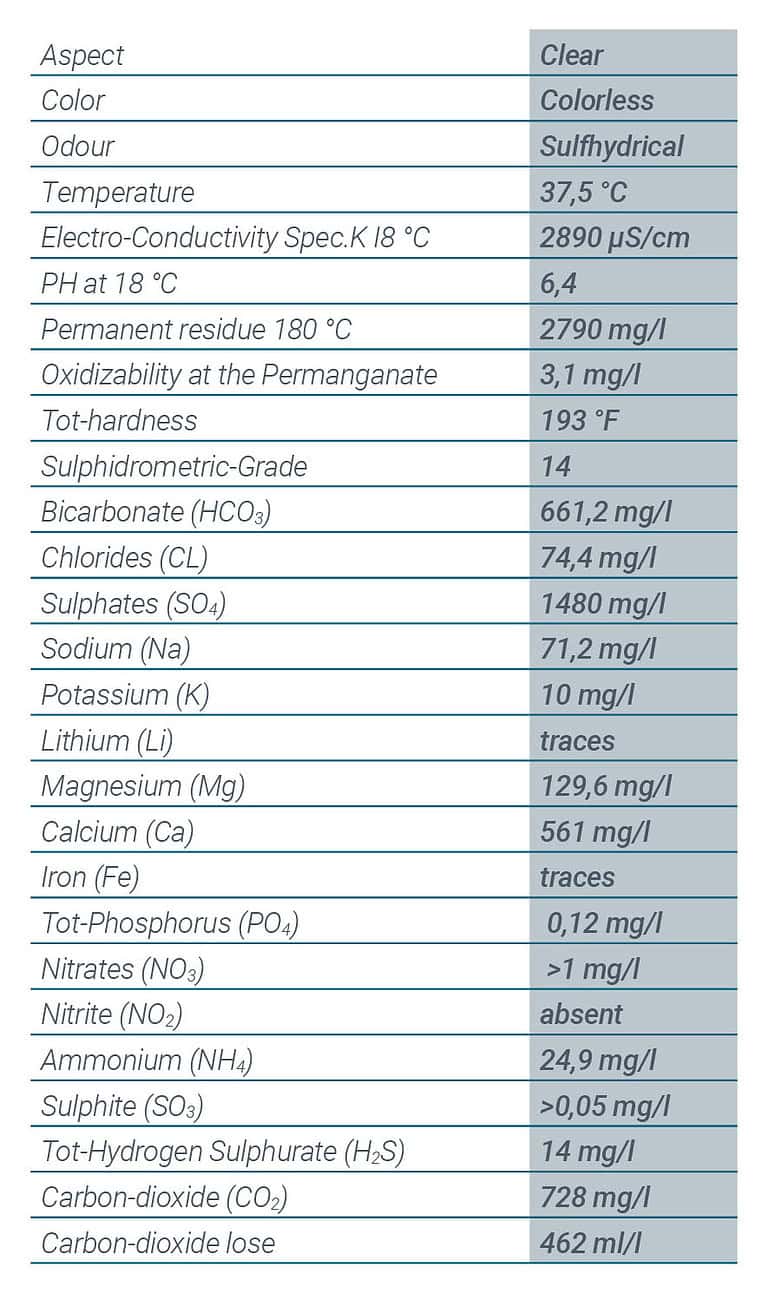
HYDROGEN SULPHIDE. A NATURAL HEALTH ALLY
Hydrogen sulphide (H₂S), present in the thermal waters of Saturnia at an ideal concentration of 14.5 mg/L, has been recognised as a ‘gasotransmitter’, i.e. a bioactive compound that plays a fundamental role in cellular processes essential for tissue balance.
This element, unique in its bioavailability, acts through several beneficial mechanisms:
- It regulates cell metabolism, improving cell efficiency.
- It boosts antioxidants, strengthening the body’s natural defence systems.
- Reduces inflammation, by modulating the inflammatory response.
- Stimulates tissue regeneration, promoting the natural recovery of skin and organs.
Thanks to the synergy between H₂S and the other minerals in the water, the therapeutic effects are particularly effective. Scientific studies have demonstrated concrete benefits, including:
- Reduction of muscle and joint inflammation.
- Regeneration of damaged tissue.
- Strengthening of immune defences.
- Normalisation of skin keratinisation processes, contributing to healthy skin.
These properties make hydrogen sulphide a key element in the benefits offered by the waters of Saturnia, internationally recognised for its therapeutic value.
THERMAL BIOPLANKTON. A NATURAL TREASURE FOR THE SKIN
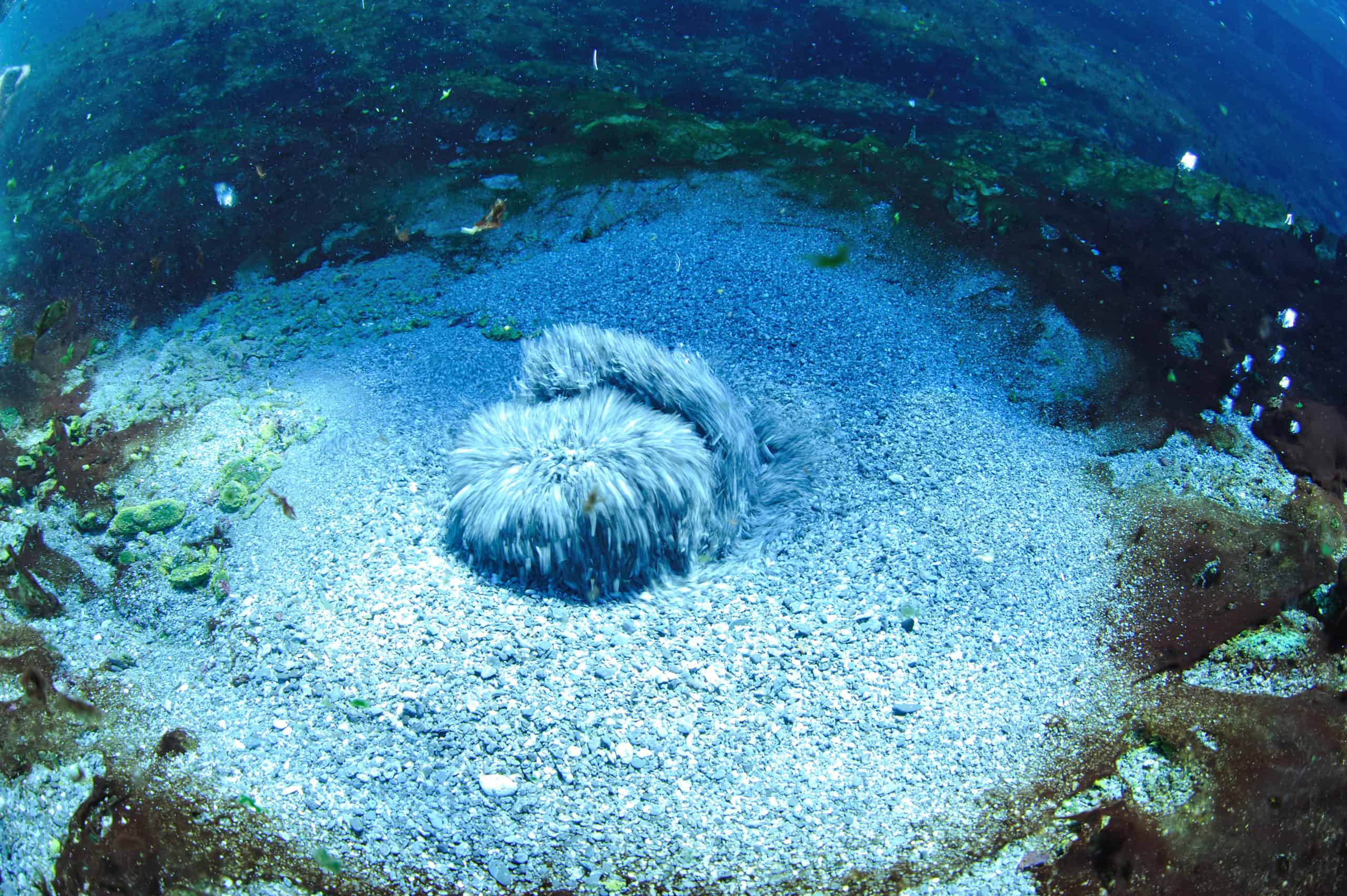
In the sulphurous waters of Terme di Saturnia, a unique element is formed: Bioplankton. This natural microbial system, developed under ideal conditions, represents a valuable therapeutic resource that has been extensively studied in the field of thermal medicine.
Bioplankton enhances the bioavailability of minerals, optimising therapeutic benefits for the body and creating perfect microenvironments for the release of active ingredients.
Scientific analyses have revealed a unique chemical composition that includes:
- Limonene (2.66%): Antioxidant effect.
- p-Cresol (5.76%): Regenerative properties.
- Hydrocarbons and branched alcohols: Enhancement of skin health.
Its antioxidant potential, measured at 124,000 mORAC/L, is one of the highest in the thermal spas, due to the presence of bioactive compounds such as:
- Carotenoids and protective phycobiliproteins.
- Functional lipids and antioxidant sterols.
- Bioactive phenols with regenerative properties.
The microorganisms work in synergy with the minerals in the water, creating a perfect microenvironment for the well-being of the skin. Scientific tests have confirmed their biological safety and therapeutic efficacy, also demonstrating moderate antifungal activity.
Furthermore, strict quality controls guarantee the safety and purity of this natural ecosystem, which continues to be the subject of advanced scientific research.
Therapeutic properties of Saturnia’s thermal waters
The very high antioxidant power, capable of protecting cells from oxidative stress. is given by hydrogen sulphide (H₂S), present in Saturnia waters in ideal concentrations (14.5 mg/L). Clinical studies (Pagliarini et al., 2005; Benedetti et al., 2010) have shown that the intake of these waters
- Reduces lipid peroxidation markers by 36%.
- Decreases protein carbonyls by 48%.
- Significantly increases plasma antioxidant capacity (up to 2377±88 μmol/L), with effects lasting for weeks after treatment.
The thermal waters of Saturnia stimulate basal metabolism, reduce water retention, reactivate capillary circulation and increase liver cell activity resulting in reduced blood sugar levels, increased production of bile for fat digestion and reduced intestinal absorption of cholesterol.
Drunk on an empty stomach and in small doses, it facilitates digestive processes and has a positive influence on gastrointestinal problems.
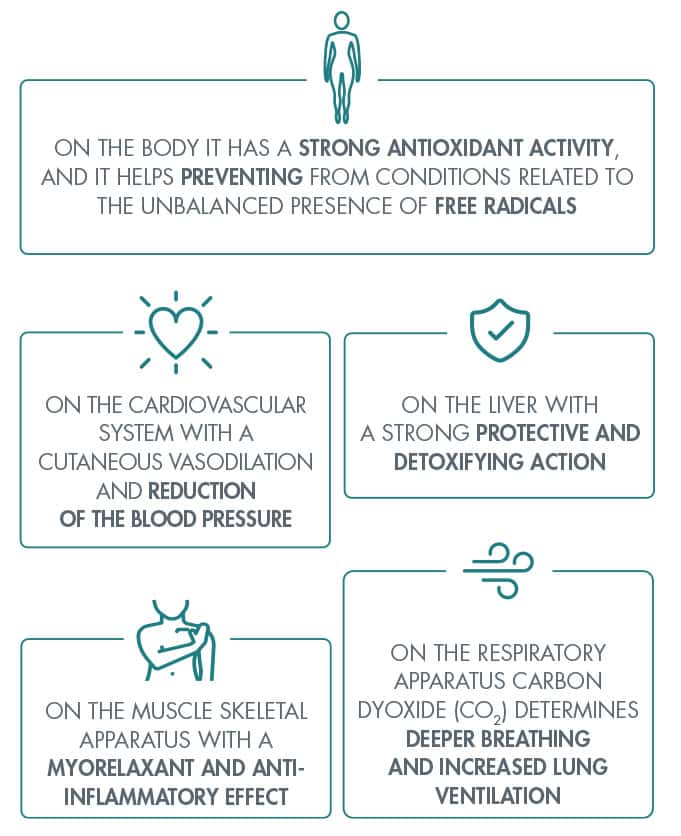
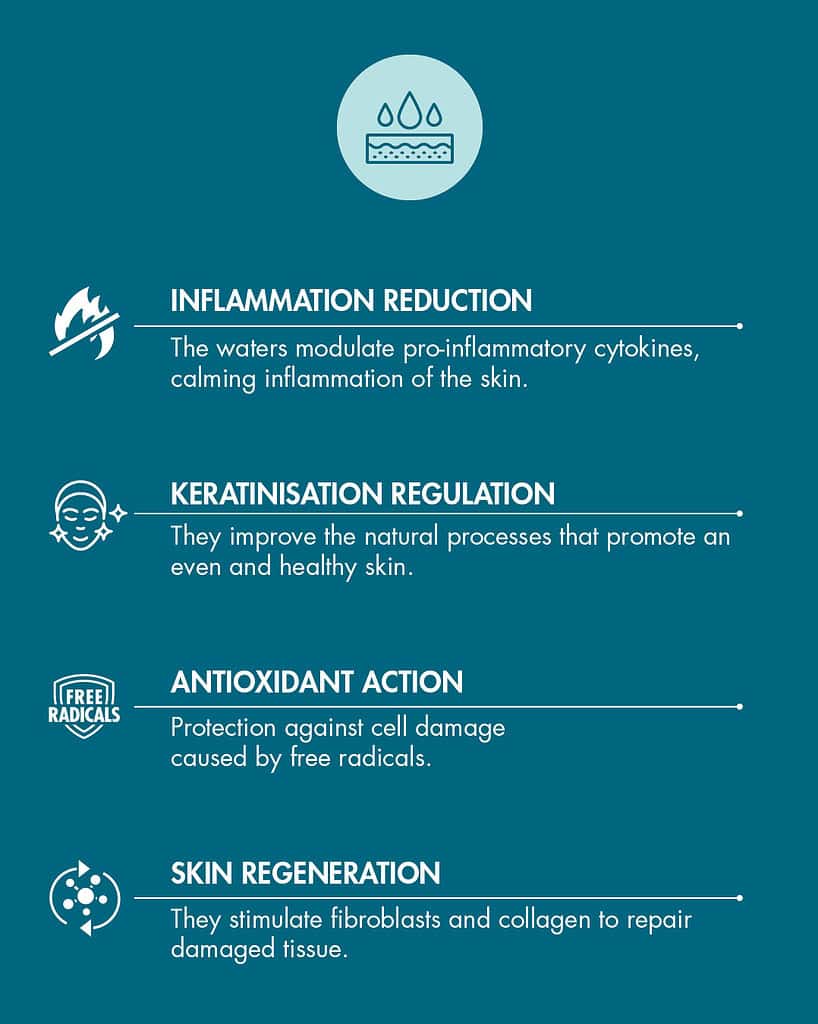
Skin benefits
The sulphurous waters of Saturnia are particularly effective in the treatment of skin diseases due to three main actions:
- Modulation of pro-inflammatory cytokines, reducing inflammation.
- Regulation of keratinisation processes, improving skin health.
- Strengthening antioxidant defences, protecting against cell damage.
Their mineral composition is unique:
- Lithium (600 μg/L): Calming and regenerative effects.
- Strontium (11-14 mg/L): Anti-inflammatory action.
- Boron (>18 mg/L): Promotes tissue regeneration.
A study by the University of Pisa showed that, after 12 days of spa treatment, psoriasis patients experienced a 46% reduction in the PASI index (from 13.4 to 7.2). This result was significantly higher than with topical calcitriol treatment.
Research has also led to the development of an advanced liposomal system applied to Saturnia waters, improving the delivery of thermal active ingredients. This system, combined with the microbiological purity of the waters (CFU/g < 100), optimises cell renewal, counteracting the signs of skin ageing and promoting healthier, more radiant skin.
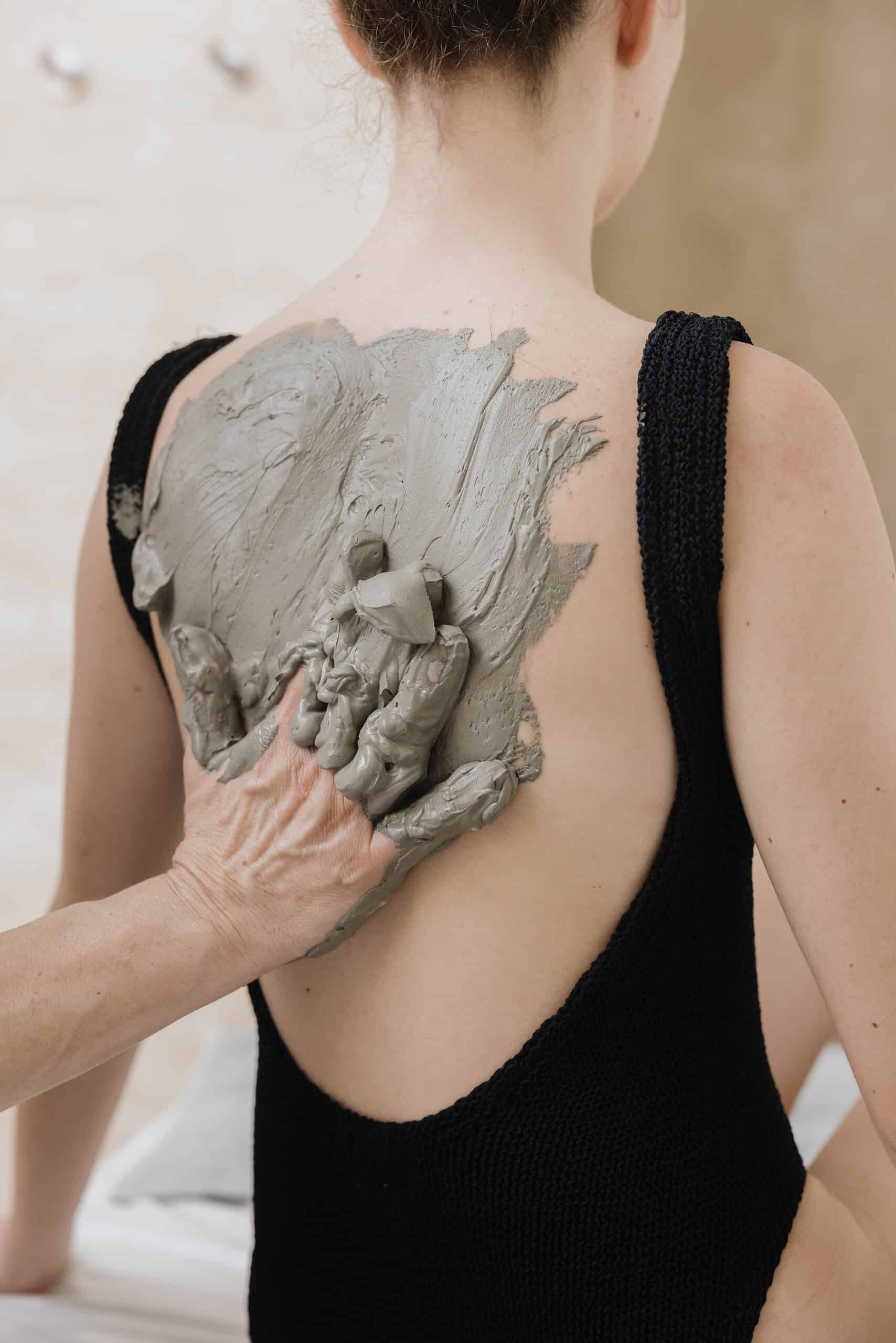
The Saturnia water then exerts a natural peeling action on the skin with exfoliating, cleansing and antiseptic properties.
Benefits on musculo-skeletal pathologies
The temperature of 37.5°C has beneficial influences on the immediate relaxation of muscles and osteoarticular symptoms. These benefits result from the unique combination of minerals and hydrogen sulphide (H₂S), which acts at the cellular level.
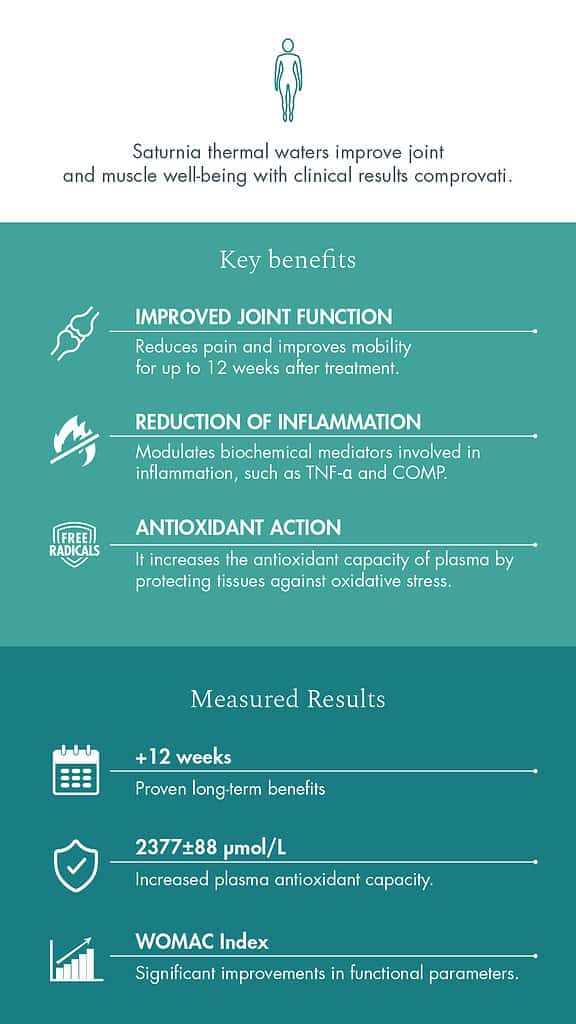
The thermal waters of Saturnia have proven particularly effective in the treatment of joint and muscle diseases, going beyond traditional empirical observations. Clinical studies have confirmed that sulphur balneotherapy, combined with physical therapy, leads to:
- Significant improvement in joint function.
- Reduction in pain with lasting effects for up to 12 weeks.
These benefits were measured using the WOMAC index, the reference standard for evaluating joint pathologies, which showed significant improvements in all functional parameters.
The sulphurous waters of Saturnia, thanks to their unique mineral composition, act through a complex and synergic mechanism:
- Inflammation reduction: they interact with biochemical mediators, such as TNF-α and COMP, involved in oxidative stress and cartilage degradation.
- Antioxidant enhancement: increase plasma antioxidant capacity to 2377±88 μmol/L, protecting muscle and joint tissue from oxidative damage.
The optimal concentration of hydrogen sulphide (14.5 mg/L), combined with the sophisticated mineral matrix, makes these waters ideal for deep and lasting therapeutic action.
The beneficial effects are not limited to immediate treatment but persist over time:
- Documented improvements up to 12 weeks after the therapeutic cycle.
- Positive impacts on quality of life, such as reduced pain and increased mobility.
Benefits for the respiratory system
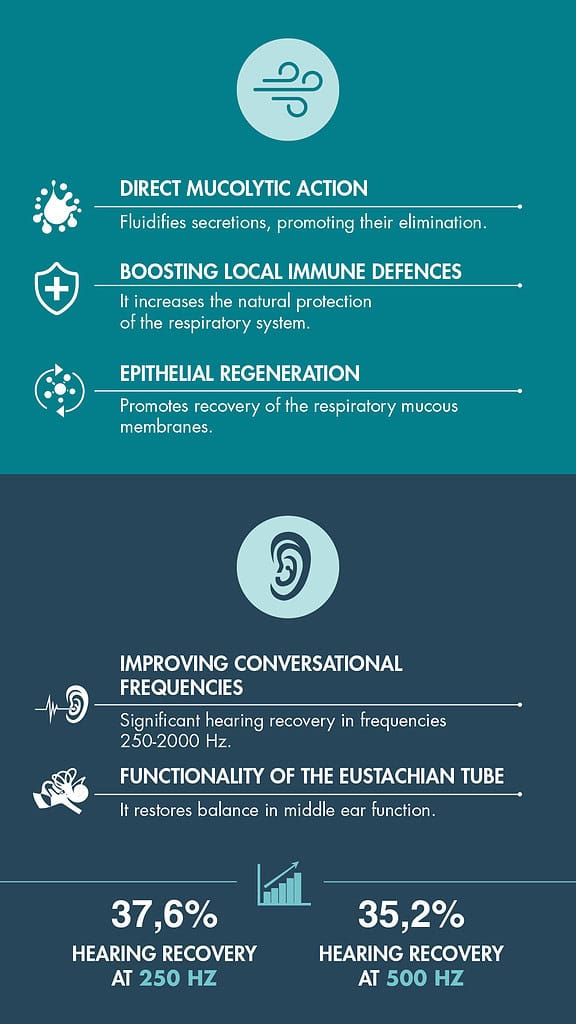
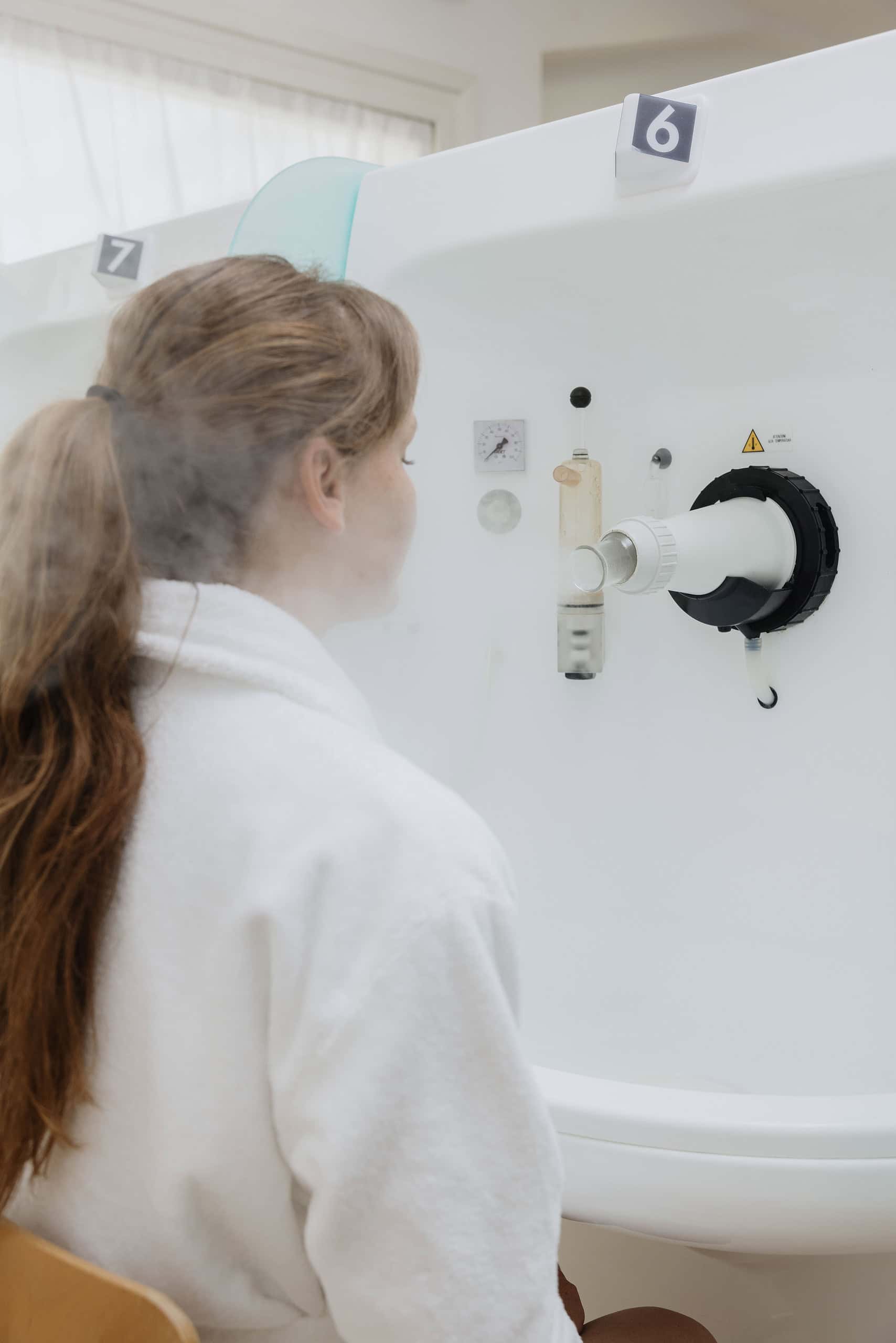
The thermal waters of Saturnia offer significant benefits for the wellbeing of the upper airways thanks to two main mechanisms:
- Direct mucolytic action: Bioavailable sulphur helps fluidify secretions, facilitating their elimination.
- Stimulation of local immune defences: They encourage natural protection of the respiratory system.
According to studies by Pagliarani and Benedetti, inhalations with Saturnia thermal water, rich in minerals (2,790 mg/L), improve muco-ciliary clearance and boost local defences. This creates a lasting protective effect by modulating pro-inflammatory cytokines and promoting regeneration of the respiratory epithelium.
Benefits for the auditory system
The thermal waters of Saturnia are also effective in the natural treatment of certain ear diseases, such as rhinogenic hearing loss. Studies conducted by Nappi (1992) have shown that inhalation crenotherapy
- Significantly improves frequencies crucial for communication (250-2000 Hz).
- Promotes recovery of Eustachian tube function and middle ear structures.
A 12-session course of inhalation therapy showed statistically significant improvements in paediatric and adult patients due to the interaction of hydrogen sulphide (14.5 mg/L) with tubal surfactant. In addition, studies by Fortunati showed:
- 37.6% hearing recovery at 250 Hz.
- Recovery of 35.2% at 500 Hz.
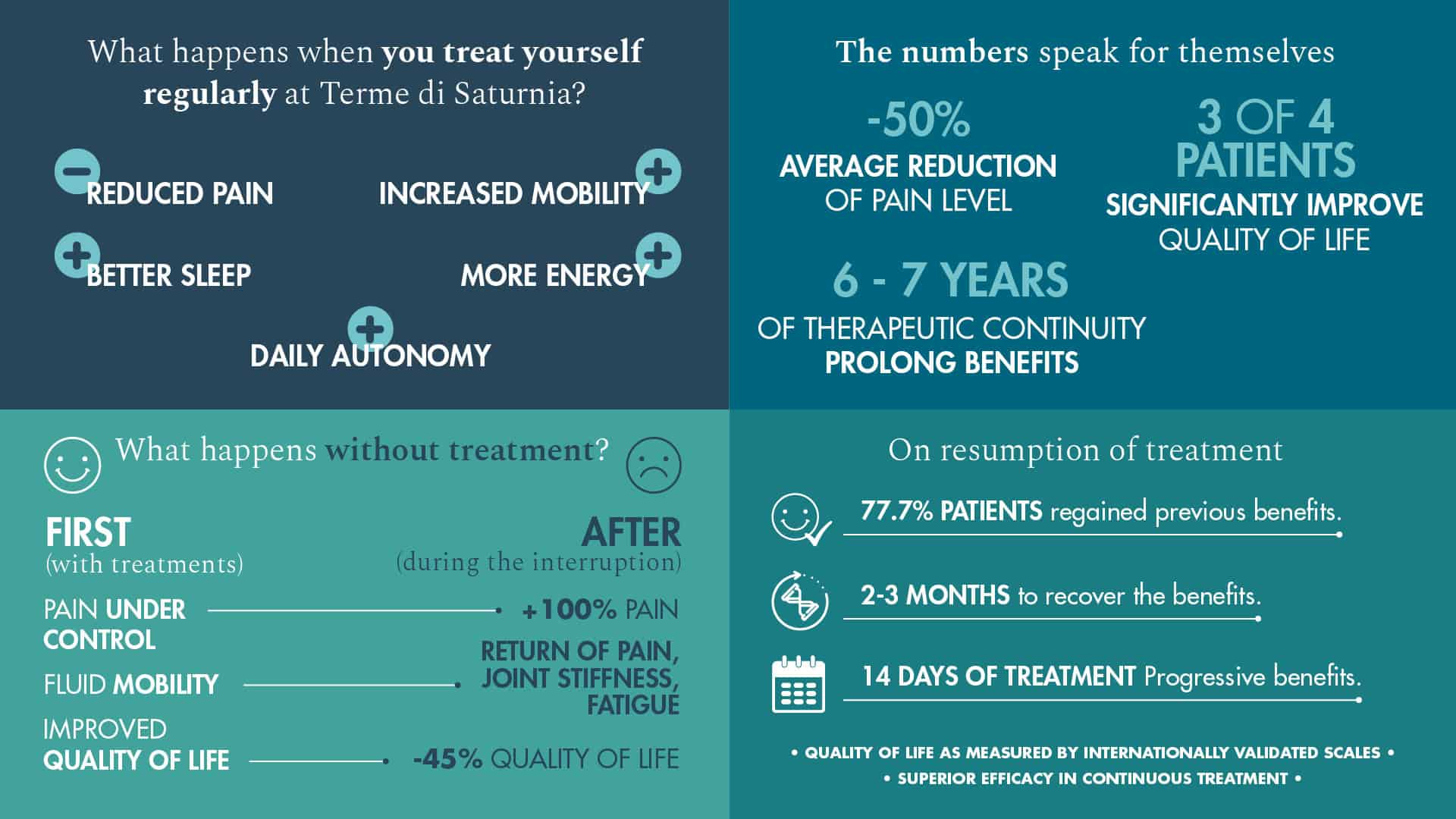
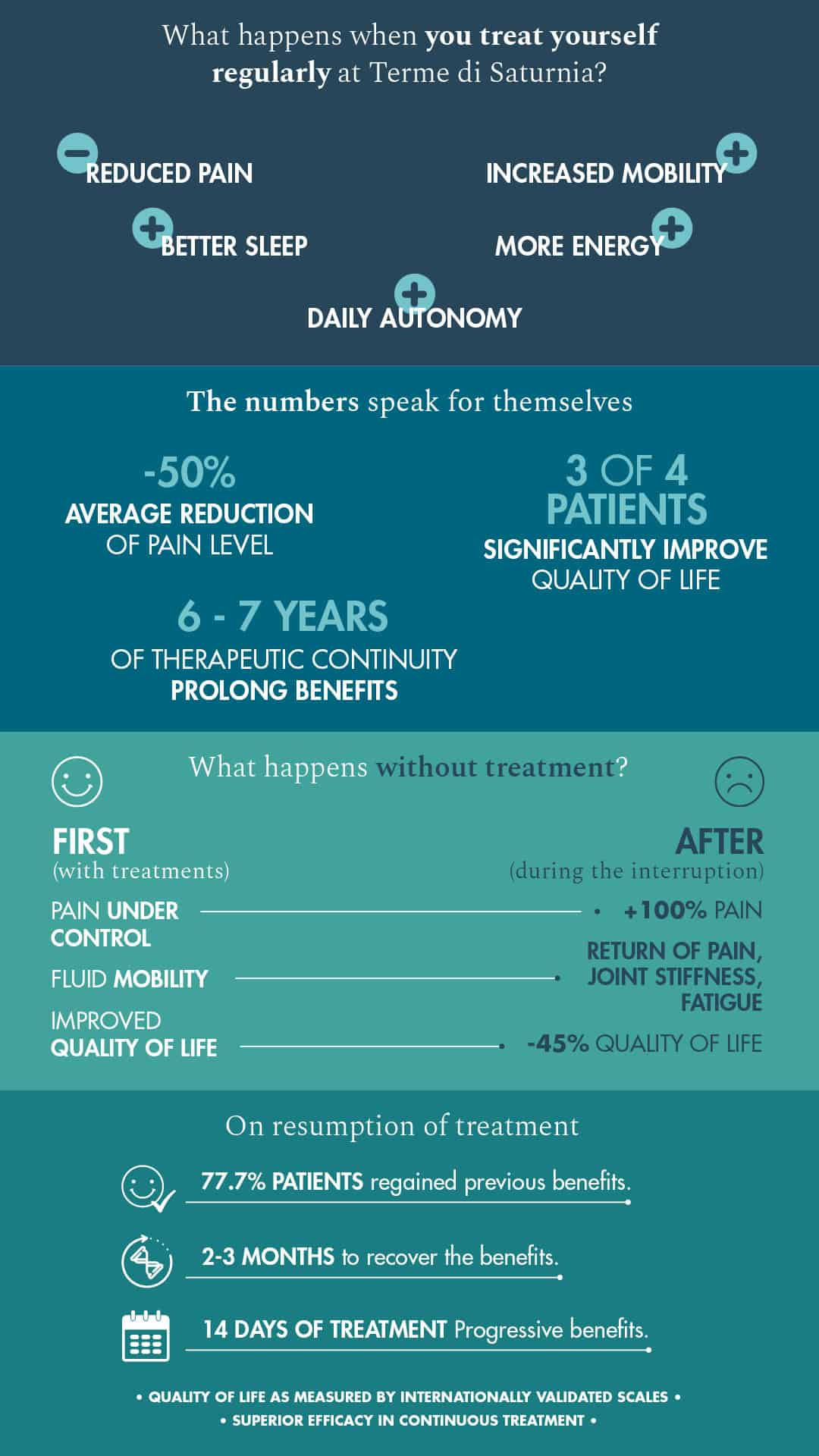
CLINICAL EVIDENCE ON THERAPEUTIC CONTINUITY


SATURNIA MYTH AND HISTORY
- Bassani, Maddalena. (2013). Greggi e mandrie fra termalismo e profezia. Gerión. Revista de Historia Antigua. 30. 10.5209/rev GERI.2012.v30.41811.
- Nisio S. Gli sprofondamenti tra storia, mito e leggenda. Mem. Descr. Carta Geol. d’It. 2014; XCVi:271-296
- Acque sorgive, salutari e sacre in Etruria (Italiae regio VII). Ricerche archeologiche e di topografia antica, British Archaeological Reports, International Series 1067, Oxford 2002, pp. 278
- L’acqua del benessere. 1956-2006. Cinquant’anni di storia delle Terme di Saturnia. 2006. Stefano Tesi
- Bolla di papa Clemente III anno 1188.
- Fiorentino, Eleonora & Peghin, Giorgio & Scalas, Andrea. (2021). Paesaggi termali. L’acqua come bene comune e dispositivo generatore dei luoghi. 10.4399/978882554071012.
- G. PAIOLA, Bagni di Saturnia, in «Termalismo e sicurezza sociale», 4 (1968)
- E. ROSETTI, L. VALENTI, Terme e sorgenti di Toscana, Firenze, Le Lettere, 1997
- S. MASSONI, Terme e termalismo in Toscana, Firenze, Atti dell’Istituto di Geografia dell’Univ. di Firenze, 1976.
SATURNIA GEOCHEMISTRY
- Barilaro, F., Bontognali, T. R., Mc Kenzie, J. A., & Vasconcelos, C. (2015, April). Microbial bio-mineralization processes in hydrothermal travertine: the case study of two active travertine systems (Tuscany, Italy). In EGU General Assembly Conference Abstracts (p. 13809).
- Ronchi, P., & Cruciani, F. (2015). Continental carbonates as a hydrocarbon reservoir, an analog case study from the travertine of Saturnia, Italy. AAPG Bulletin, 99(4), 711-734.
- Barbagli, A., Brogna, F. N. A., Callegari, I., Guastaldi, E., Liali, G., Marsico, N., … & Trotta, M. (2013). Multi-isotope and Hydrogeochemical approach for characterizing Saturnia thermal groundwater (Grosseto, Italy). Acque Sotterranee-Italian Journal of Groundwater, 2(4).
- Yusif, S. Z. (2021, April). INVESTIGATION OF THE SILK FIBER EXTRACTION PROCESS FROM THE SATURNIA PYRI (DENIS & SCHIFFERMÜLLER, 1775) COCOON. In The 9th International scientific and practical conference “The world of science and innovation” (April 7-9, 2021) Cognum Publishing House, London, United Kingdom. 2021. 794 p. (p. 126).
- Barilaro, F., Della Porta, G., & Capezzuoli, E. (2011). Upper Pleistocene- Holocene? Terraced-Slope Hot-Spring Travertine System and Its Modern Analogue in the Albegna Valley, Southern Tuscany (Central Italy).
SATURNIA BIOPLANCTON
- Bazzichelli G., Abdelahad N., Florenzano G., Tomaselli L. (1978) Contributo alla conoscenza delle comunità fototrofiche delle terme di Saturnia (Toscana). ANNALI DI BOTANICA. – ISSN 0365-0812. – STAMPA. – 37:(1978), pp. 203-236.
- Centini M., Tredici M.R., Biondi N., Buonocore A., Maffei Facino R., Anselmi C. (2020) Bioglea as a source of bioactive ingredients: Chemical and biological evaluation. Cosmetics, 7: 81.
- Centini, M., Tredici, M. R., Biondi, N., Buonocore, A., Maffei Facino, R., & Anselmi, C. (2015). Thermal mud maturation: organic matter and biological activity. International Journal of Cosmetic Science, 37(3), 339-347.
- Biondi N, Martina MR, Centini M, Anselmi C, Tredici MR. Hot Springs Cyanobacteria Endowed with Biological Activities for Cosmetic Applications: Evaluation of On-Site Collected Communities and Isolated Strains. Cosmetics. 2023; 10(3):81. https://doi.org/10.3390/cosmetics10030081
BIOPLANCTON IN GENERAL, NOT SPECIFIC ON SATURNIA
- Mazzulla S, Chimenti R, Sesti S, De Stefano S, Morrone M, Martino G. Effetto delle Bioglee solfuree su lesioni psoriasiche [Effect of sulphurous Bioglea on psoriasis]. Clin Ter. 2004 Nov-Dec;155(11-12):499-504. Italian. PMID: 15861965.
- Carretero, M. I. (2020). Clays in pelotherapy. A review. Part II: Organic compounds, microbiology and medical applications. Applied Clay Science, 189, 105531
- Mourelle, M. L., Gómez, C. P., & Legido, J. L. (2024). Peloids in Skin Care and Cosmeceuticals. Cosmetics, 11(6), 202.
ANTIOXIDANT POWER/MUSCULOSKELETAL DISORDERS. PAGLIARINI AND BENEDETTI’S REFERENCE ALSO APPLIES TO THE RESPIRATORY DISEASE PARAGRAPH
- Benedetti, S., Canino, C., Tonti, G., Medda, V., Calcaterra, P., Nappi, G.,… & Canestrari, F. (2010). Biomarkers of oxidation, inflammation and cartilage degradation in osteoarthritis patients undergoing sulfur-based spa therapies. Clinical biochemistry, 43(12), 973-978.
- Benedetti, S., Benvenuti, F., Nappi, G., Fortunati, N. A., Marino, L., Aureli, T., … & Canestrari, F. (2009). Antioxidative effects of sulfurous mineral water: protection against lipid and protein oxidation. European journal of clinical nutrition, 63(1), 106-112.
- Pagliarani, S. & Benedetti, Serena & Fortunati, N.A. & Nappi, G. & Calcaterra, P. & Mazzone, D. & Luca, S. & Benvenuti, F. & Francogli, & Canestrari, F.. (2005). Antioxidant prophylactic role of sulfurous water by thermal center of Saturnia. Medicina Clinica e Termale. 18. 139-148.
AUDITORY SYSTEM REFERENCES
- Nappi et al., Med. Clin. Term. 21: 215, 1992
- Fortunati et al., Bol. Soc. Esp. Hidrol. Med. X, 2: 75, 1995
REVIEW OF LITERATURE WHERE SATURNIA IS MENTIONED
- Cheleschi, Sara & Tenti, Sara & Seccafico, Iole & Gálvez Galán, Isabel & Fioravanti, Antonella & Ortega, Eduardo. (2022). Balneotherapy year in review 2021: focus on the mechanisms of action of balneotherapy in rheumatic diseases. Environmental Science and Pollution Research. 29. 10.1007/s11356-021-17780-0.